
The Comprehensive Guide to Web Development: Navigating the Digital Landscape
In the modern era, the digital footprint of any business serves as its primary storefront, brand ambassador, and communication hub. Web development encompasses the wide range of tasks involved in creating websites and applications for the internet. Whether you are a business owner looking to establish an online presence or a professional aiming to understand the underlying infrastructure of the web, grasping the core tenets of development is essential for making informed digital decisions.
At https://pictonmag.com, we believe that understanding the technology behind your tools is the first step toward effective implementation. Web development is not just about writing code; it is about creating seamless experiences, ensuring data security, and building scalable architectures that grow alongside your business. This guide provides a practical overview of how web development functions in today’s highly competitive market.
Understanding the Web Development Stack
Web development is generally categorized into three distinct layers: front-end, back-end, and full-stack development. The front-end, or client-side, is everything that a user interacts with directly in their browser. Developers in this space work primarily with HTML, CSS, and JavaScript to ensure that the layout is responsive, accessible, and visually appealing across all device types and screen sizes.
The back-end, or server-side, comprises the invisible infrastructure that powers the front-end. This involves managing databases, server logic, and application programming interfaces (APIs) to ensure data is retrieved and stored securely. Full-stack developers possess the skillset to navigate both environments, allowing them to oversee the entire lifecycle of a project from the initial design phase to the final deployment on a production server.
Key Features and Capabilities
Modern web development has moved far beyond simple static pages. Today’s projects often rely on powerful frameworks and libraries that expedite the building process. Features like real-time data processing, interactive user interfaces, and automated workflows are now standard requirements for professional-grade websites. These features are designed to enhance user engagement while reducing latency and server load.
Another crucial capability is modularity. By using component-based architectures, developers can maintain and update specific sections of an application without affecting the entire system. This approach significantly increases the maintainability of codebases, allowing businesses to pivot quickly when market trends change. When selecting a development path, it is important to choose tools that support your specific business needs and long-term operational goals.
The Software Development Life Cycle (SDLC)
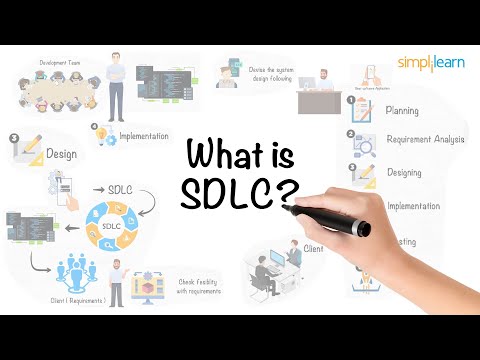
The development of a web application follows a structured path known as the Software Development Life Cycle. This process typically begins with gathering requirements, followed by rigorous design, development, testing, and ultimately, deployment. By following these structured stages, teams can mitigate risks and ensure that the final product adheres to the quality standards expected by stakeholders.
Testing is arguably the most critical stage in the SDLC. Continuous integration and continuous deployment (CI/CD) pipelines have fundamentally shifted how testing is handled, allowing for automated checks that catch bugs before they ever reach the end user. Below is a simplified breakdown of the common phases involved in bringing a web project to life:
| Phase | Primary Focus | Goal |
|---|---|---|
| Planning | Requirement Analysis | Define scope and timeline |
| Design | Architecture & UI | Create visual and functional blueprints |
| Development | Coding & Logic | Build the actual software solution |
| Testing | QA & Bug Fixes | Ensure performance and security |
| Deployment | Go-Live | Launch the application to production |
Scalability and Reliability Considerations
Scalability refers to the ability of a website or application to handle an increasing amount of work or traffic. A platform that works perfectly for ten users may crash under the weight of ten thousand, unless it has been built with scalability in mind from the beginning. This involves load balancing, utilizing cloud services for elastic resources, and optimizing database queries to ensure peak performance during traffic spikes.
Reliability is closely linked to scalability, referring to the platform’s ability to remain stable and functional over time. This is achieved through robust error handling, regular backups, and disaster recovery planning. For businesses, a reliable web presence is an asset that builds customer trust and maintains brand reputation, whereas frequent downtime can lead to significant financial loss and loss of user confidence.
Security as a Foundation
Security in web development is no longer optional; it is a mandatory requirement. Cyber threats are increasingly sophisticated, meaning developers must implement multilayered security strategies. This includes encrypting data in transit using SSL, protecting against common vulnerabilities like SQL injection and cross-site scripting (XSS), and ensuring that user authentication processes are bulletproof.
Beyond code-level protection, security also involves infrastructure management. Keeping server software up-to-date, managing permissions through the principle of least privilege, and implementing automated security audits are essential tasks. Businesses should prioritize a “security-first” culture, ensuring that every deployment is vetted for potential threats before it goes live to the public internet.
Choosing the Right Tools for Your Business Needs
Selecting the right technology stack depends heavily on the specific use cases of your project. For example, a content-driven blog may benefit from a headless CMS, whereas a high-transaction e-commerce site might require a more complex, robust framework with integrated payment gateways and inventory management. Assessing your project’s unique set of features is essential before writing a single line of code.
Consider the following when making your selection:
- Budget and Resources: Assess the cost of development and long-term maintenance.
- Integration Capabilities: Ensure the chosen tech plays well with existing CRM, email marketing, or analytics tools.
- Talent Availability: Choose frameworks that have a large community, making it easier to find developers and support.
- Time-to-Market: Determine if an out-of-the-box solution or a custom-built architecture better suits your launch window.
Ongoing Support and Maintenance
A website’s launch is rarely the finish line; it is more accurately the starting point of its lifecycle. Post-deployment support involves monitoring for performance issues, patching vulnerabilities, and updating dependencies as software versions evolve. A proactive approach to maintenance prevents minor issues from snowballing into critical failures that require extensive downtime to resolve.
Most successful digital platforms rely on a dashboard to provide comprehensive insights into performance metrics, user behavior, and error logs. By establishing an automated monitoring workflow, your technical team can be alerted to potential outages before users are even aware of them. Prioritizing post-launch investment ensures that your web assets remain functional, secure, and competitive in a constantly changing digital ecosystem.